Celebrating 50 Years In Craftsmanship
Skip to content

Woodworking Workbenches

A true woodworking workbench changes how work feels in your shop, giving you controlled workholding, faster setup, and predictable results. We only carry the two most respected woodworking bench brands, both built with solid hardwood tops, dependable vises, and layouts designed for serious hand-tool and joinery work.

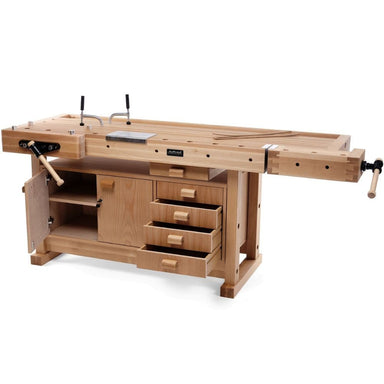
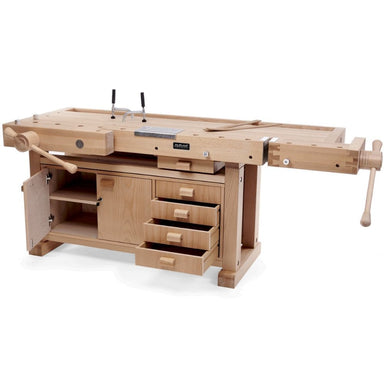
  • Ramia Workbenches — best for heavy hand-tool work where mass, rigidity, and a locked-in feel matter most
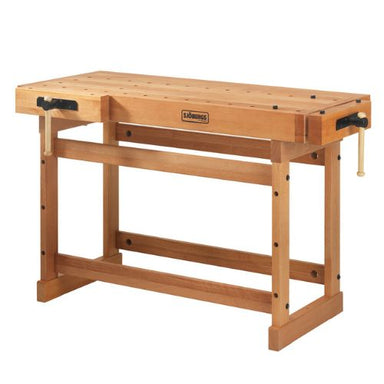
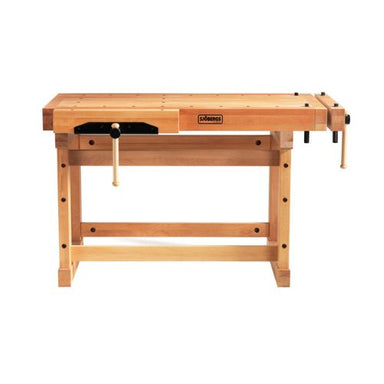
  • Sjobergs Workbenches — best for versatile shops that need fast setup, flexible workholding, and easy task changes

Choosing a Woodworking Workbench

A woodworking workbench is the foundation of accurate, repeatable work. Unlike general shop tables, a true woodworking workbench is built to control the workpiece so your tools can do their job. When the bench works the way it should, setup is faster, accuracy improves, and hand tool work feels more predictable.

When comparing woodworking workbenches, focus on a few fundamentals that directly affect how the bench performs in daily use:

  • Weight and stability — A heavier woodworking workbench resists movement during planing, chiseling, and joinery so effort goes into the cut instead of fighting the bench.
  • Workholding layout — Vises, dog hole placement, and bench design determine how easily you can secure boards flat, on edge, or upright without complicated setups.
  • Long term accuracy — Solid hardwood construction and strong joinery help a woodworking workbench stay flat and rigid as seasons change and workloads increase.

We focus on professional woodworking workbenches that meet these standards because they solve real shop problems. Ramia and Sjobergs represent two proven brands used by serious woodworkers worldwide.

Ramia Woodworking Workbench

Ramia woodworking workbenches are built around mass and rigidity. Their solid beech construction and traditional layouts are well suited for woodworkers who rely heavily on hand tools and want a bench that stays planted under demanding work.

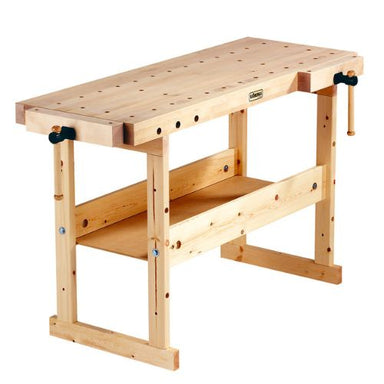
Sjobergs woodworking workbench

Sjobergs woodworking workbenches focus on flexible workholding. Their dog hole patterns, vises, and accessory options make it easy to adapt the bench quickly to different projects and shop tasks without sacrificing control.


Both brands offer true woodworking workbenches built for long term use. The right choice comes down to whether your work benefits more from added mass or from adaptable workholding.

Woodworking Workbenches FAQs

Do you sell woodworking workbench plans?

We do not sell woodworking workbench plans. Most serious woodworkers choose a finished woodworking workbench because it saves time, stays flat over the long term, and provides reliable workholding that is difficult to achieve with most shop built benches.

Is it better to buy or build a woodworking workbench?

Building a bench can be a good learning project, but buying a professional woodworking workbench offers clear advantages. Factory built benches use properly dried hardwood, proven joinery, and vise systems designed to hold securely under daily use. For many woodworkers, buying a bench means spending more time woodworking instead of building shop furniture.

Do woodworking workbenches come with storage or accessories?

Some woodworking workbenches can be paired with storage cabinets or accessories that add weight and improve organization. These are optional additions. We offer accessories for both Ramia and Sjobergs workbenches on their respective collection pages.

How do you install a woodworking vise on a workbench?

With Ramia and Sjobergs workbenches, installing a woodworking vise is easy because the benches are built for it. Both brands use pre drilled mounting points and reinforced areas, so the vise bolts into place without modification. Ramia benches often come with the vise already matched to the bench, while Sjobergs benches use consistent mounting patterns that keep the vise square and secure.